Monitoring Desk
The United Nations has issued a stark warning that millions of people could die due to President Donald Trump’s suspension of U.S. overseas funding, particularly impacting global AIDS relief efforts.
The United States is the world’s largest provider of development aid, with much of its assistance funneled through the United States Agency for International Development (USAID). However, Trump ordered a three-month freeze on most U.S. foreign aid upon his return to office in January, leaving humanitarian organizations struggling to fill the gaps.
“It’s dramatic in many countries,” said UNAIDS Executive Director Winnie Byanyima, highlighting the severity of the crisis.
AIDS Relief in Jeopardy
The freeze includes a 90-day suspension of the President’s Emergency Plan for AIDS Relief (PEPFAR)—a crucial initiative supporting over 20 million HIV patients and 270,000 healthcare workers worldwide.
Although the Trump administration later issued waivers to allow some medication distribution, Byanyima warned that the damage was already evident.
“I need to sound the alarm. This is a major source of AIDS relief funding. If it disappears, people will die,” she cautioned.
Death Toll Could Surge Tenfold
According to UNAIDS estimates, the aid suspension could lead to:
A tenfold increase in AIDS-related deaths, potentially reaching 6.3 million over five years.
Up to 8.7 million new HIV infections in the same period.
While U.S. officials claim that “life-saving treatments” will be exempt from the freeze, reports from healthcare workers in Africa indicate that clinics are already closing, cutting off essential services for vulnerable populations.
Debt Crisis Exacerbates the Problem
Speaking at the African Union summit in Addis Ababa, Byanyima urged African leaders to reduce dependency on foreign aid and boost domestic revenue generation. However, she acknowledged that many countries are already overburdened with massive debt, with some spending more than 50% of their total revenue on debt repayments.
“Part of the solution lies in an immediate and comprehensive debt restructuring,” she emphasized, warning that financial constraints could further cripple health and education sectors.
Uncertain Future for Global Humanitarian Aid
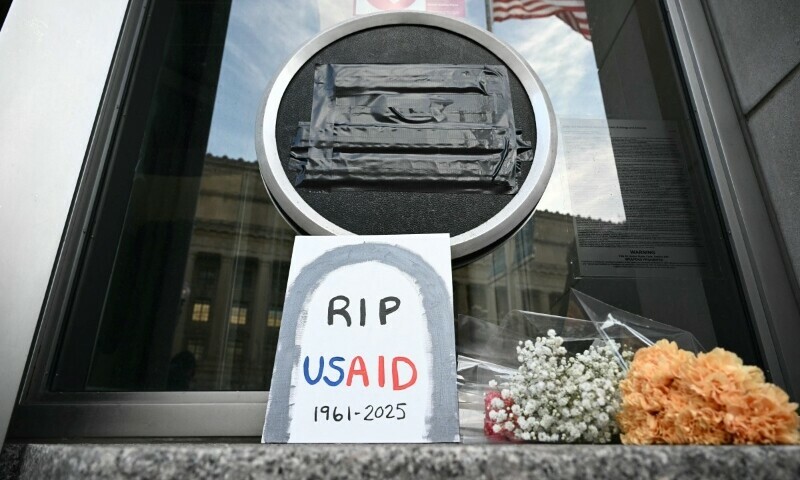
Founded in 1961, USAID has an annual budget of over $40 billion, funding critical development, health, and humanitarian projects worldwide, especially in impoverished nations. The current aid freeze has put many of these initiatives at serious risk, raising concerns over the future of international relief efforts.
As the suspension continues, millions of lives hang in the balance, with global health experts urging immediate action to prevent a humanitarian catastrophe.
Trump’s Aid Freeze Threatens Millions of Lives, Warns UN
Washington / Addis Ababa: The United Nations has issued a stark warning that millions of people could die due to President Donald Trump’s suspension of U.S. overseas funding, particularly impacting global AIDS relief efforts.
The United States is the world’s largest provider of development aid, with much of its assistance funneled through the United States Agency for International Development (USAID). However, Trump ordered a three-month freeze on most U.S. foreign aid upon his return to office in January, leaving humanitarian organizations struggling to fill the gaps.
“It’s dramatic in many countries,” said UNAIDS Executive Director Winnie Byanyima, highlighting the severity of the crisis.
AIDS Relief in Jeopardy
The freeze includes a 90-day suspension of the President’s Emergency Plan for AIDS Relief (PEPFAR)—a crucial initiative supporting over 20 million HIV patients and 270,000 healthcare workers worldwide.
Although the Trump administration later issued waivers to allow some medication distribution, Byanyima warned that the damage was already evident.
“I need to sound the alarm. This is a major source of AIDS relief funding. If it disappears, people will die,” she cautioned.
Death Toll Could Surge Tenfold
According to UNAIDS estimates, the aid suspension could lead to:
A tenfold increase in AIDS-related deaths, potentially reaching 6.3 million over five years.
Up to 8.7 million new HIV infections in the same period.
While U.S. officials claim that “life-saving treatments” will be exempt from the freeze, reports from healthcare workers in Africa indicate that clinics are already closing, cutting off essential services for vulnerable populations.
Debt Crisis Exacerbates the Problem
Speaking at the African Union summit in Addis Ababa, Byanyima urged African leaders to reduce dependency on foreign aid and boost domestic revenue generation. However, she acknowledged that many countries are already overburdened with massive debt, with some spending more than 50% of their total revenue on debt repayments.
“Part of the solution lies in an immediate and comprehensive debt restructuring,” she emphasized, warning that financial constraints could further cripple health and education sectors.
Uncertain Future for Global Humanitarian Aid
Founded in 1961, USAID has an annual budget of over $40 billion, funding critical development, health, and humanitarian projects worldwide, especially in impoverished nations. The current aid freeze has put many of these initiatives at serious risk, raising concerns over the future of international relief efforts.
As the suspension continues, millions of lives hang in the balance, with global health experts urging immediate action to prevent a humanitarian catastrophe.