
Staff Report
ISLAMABAD: While the government claims progress in reducing the power sector’s circular debt from Rs2,393 billion to Rs1,614 billion in the current fiscal year, serious financial discrepancies among state-owned power generation companies (GENCOs) have raised fresh alarm over the integrity of energy sector reforms.
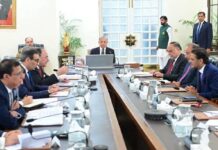
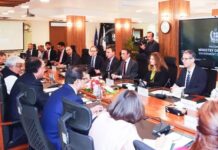
During a recent briefing to the Cabinet Committee on Energy (CCoE) chaired by Prime Minister Shehbaz Sharif, the Power Division highlighted a Rs779 billion decline in circular debt, citing improved efficiency of power distribution companies (DISCOs) and better collection performance. Losses attributed to DISCOs reportedly fell to Rs397 billion from last year’s Rs591 billion, with NEPRA verifying the figures under prior CCoE instructions.
However, behind these numbers lies a deeper crisis of financial indiscipline. Petroleum Minister Ali Pervaiz Malik, speaking at the same meeting, drew attention to massive unpaid dues owed by GENCO-II and GENCO-III to fuel and gas suppliers. Despite receiving payments from the Central Power Purchasing Agency (CPPA), these GENCOs failed to clear their arrears to Pakistan State Oil (PSO), Sui Northern Gas Pipelines Limited (SNGPL), and Pakistan Petroleum Limited (PPL).
According to internal figures, GENCO-III has defaulted on Rs156.7 billion to PSO — of which Rs90.6 billion is financial cost. GENCO-II, on the other hand, owes Rs30 billion to SNGPL, including late payment surcharges, and another Rs150 billion to PPL for gas supplies.
Officials from the Petroleum Division, speaking on condition of anonymity, disclosed that these dues are not even reflected in the official circular debt accounting, creating significant transparency concerns. “GENCOs received payments from CPPA but diverted them elsewhere. This inter-entity liability mess is a blind spot in the system,” one official said.
While the Power Division received appreciation for its progress and was directed to issue commendation certificates—especially to LESCO officials—analysts argue that the reforms may be cosmetic unless the deeper financial leakages are addressed. The debt burden, instead of being reduced, is being shifted from one institution to another.
Power Minister Awais Leghari promised corrective measures regarding the outstanding GENCO payments, but stakeholders remain cautious. Experts suggest that unless GENCOs are held accountable and reporting practices made more transparent, the sector may remain in a cycle of recurring debt and inefficiency.