The State Bank of Pakistan (SBP) will decide on any future policy rate cuts after assessing the economic consequences of recent floods and the outcome of the ongoing International Monetary Fund (IMF) review, Governor Jameel Ahmad said in an interview with Bloomberg on Monday.
Ahmad’s comments underscore the central bank’s measured approach to monetary easing, as Pakistan faces renewed inflationary pressures, post-flood disruptions, and fiscal stress.
According to the SBP governor, inflation may briefly exceed the 5%–7% medium-term target range in early 2026, though it is expected to stay within that range on average during the current and next fiscal years.
The remarks come ahead of the Monetary Policy Committee’s (MPC) next meeting on October 27, where policymakers will review inflation trends, fiscal developments, and external financing conditions.
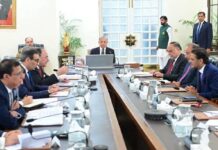
In its previous meeting, the MPC kept the policy rate steady at 11%, citing the macroeconomic fallout of the monsoon floods that have inflicted billions in losses, disrupted agricultural output, and added to external and fiscal vulnerabilities.
Ahmad said the SBP’s tight monetary policy stance has been instrumental in containing inflation. “The policy rate is positive — substantially positive — and this type of tight stance has contributed in controlling the inflation,” he noted, adding that monetary and fiscal coordination was improving under the government’s stabilization plan.
On Pakistan’s $7 billion IMF loan programme, Ahmad said the engagement was “progressing well,” adding that the SBP had outperformed several of its quantitative targets, particularly on foreign exchange reserves.
He revealed that the central bank had purchased nearly $20 billion from the interbank market over the past three years — a strategic move to rebuild reserves after years of depletion. “If we had not done that, our situation would have been quite different,” Ahmad said, noting that this policy helped protect reserves from the recent $500 million Eurobond payment.
On trade, Ahmad welcomed the newly announced Pakistan–US trade arrangement, which offers a 19% tariff rate on certain exports to the US. He said the development has already triggered increased inquiries from global textile importers — a sign of rising demand that could soon translate into confirmed orders.
Meanwhile, on the legalisation of cryptocurrency, the governor said the government’s new regulatory framework would ensure stringent oversight of market participants. “This is a strategic move from the government side, and soon I think new players will come in,” he said, assuring that the framework would mitigate potential financial risks.
Ahmad’s remarks reflect the SBP’s delicate balancing act between supporting economic recovery and preserving price stability amid climate shocks and IMF-driven reforms.
Economists believe that the central bank will maintain a cautious monetary stance until inflation expectations ease and clarity emerges from the IMF review, making both the post-flood recovery and loan programme progress pivotal to any future rate decisions.