Monitoring Desk
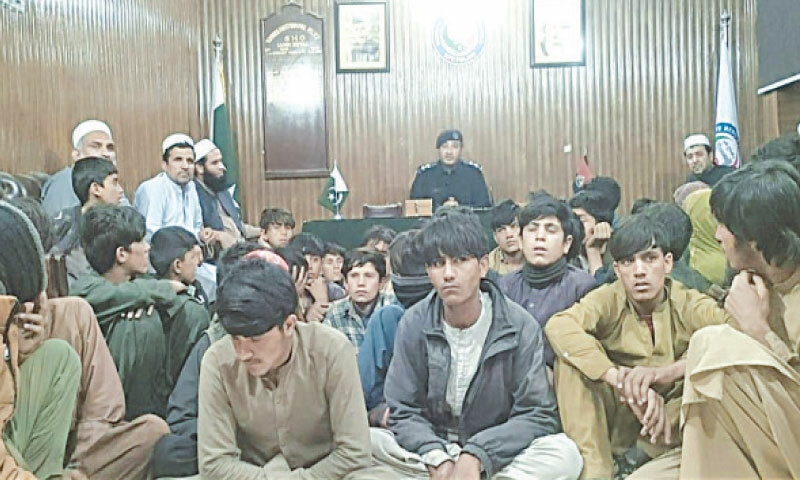
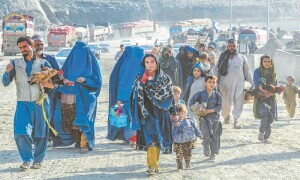
Pakistani authorities on Sunday evening repatriated 50 Afghan children, including 17 girls, through the Torkham border crossing on humanitarian grounds following the intervention of a tribal jirga.
The children, most of whom are under 10 years of age and lacked legal travel documents, were apprehended after illegally crossing into Pakistan by cutting the border fence under the cover of darkness.
According to Adnan Khan, a local police official, authorities initially considered charging the minors under the Foreigners Act. “We intended to book them under Section 14 of the Foreigners Act, but the jirga strongly urged against legal action, citing their minor status. They argued that children should not be jailed,” he said.
The five-member jirga, led by Tehsil council chairman Shah Khalid Shinwari, negotiated their release and repatriation. Shinwari revealed that an organised smuggling network was using these children to transport various items across the border, with some allegedly involved in drug trafficking.
Sources at the border estimated that around 700 to 800 Afghan children are currently engaged in cross-border smuggling, moving goods such as cigarettes, chocolates, soaps, juice, sugar, jaggery, and dairy products. The children reportedly earn Rs5,000–6,000 per trip for bringing smuggled items from Afghanistan, while earning Rs200–400 for items smuggled from Pakistan.
Labour representatives at Torkham voiced concern over the exploitation of Afghan minors. Farman Shinwari, former president of the Torkham Labourers and Daily Wagers Association, said extreme poverty and the lure of easy money have driven many young children into this illegal trade.
He noted that while the Afghan Taliban initiated a crackdown on such activities in 2021 by arresting some of the children and enrolling them in schools and seminaries, many escaped and returned to smuggling due to a lack of alternative livelihood.
“These children mostly belong to families that were evicted from Bacha Maina on the Pakistan side and have been engaged in smuggling for generations,” he added.
Fameedullah, another local labour leader, recalled how, before the implementation of strict visa requirements in 2016, Afghan children often posed as porters and sometimes risked their lives hiding under vehicles to evade arrest. He said their numbers have dwindled from thousands to a few hundred after tighter travel enforcement.
Separately, immigration authorities at Torkham on Monday resumed allowing Afghan nationals holding Tazkira (Afghan national identity cards) to return home after a six-day delay caused by a technical fault in the immigration system.
The border had reopened on March 19 after being closed for 27 days, following negotiations led by a jirga. However, while passport holders with valid visas were prioritized, Tazkira holders were forced to wait, prompting brief protests and disruption of traffic at the border on Sunday.
Authorities later assured the stranded Afghans that they would be allowed to cross shortly. On Monday afternoon, immigration booths were opened, leading to a large influx of jubilant Afghan nationals returning home. An exact figure of returnees was not immediately available.