Monitoring Desk
The second round of long-anticipated talks between Pakistan and Afghanistan’s jirga members concluded on a cautiously optimistic note, with the Afghan delegation requesting time to seek approval from higher authorities before agreeing to Pakistan’s conditions.
The two-hour-long meeting took place at the Customs Offices (Gumruk) on the Afghan side of the border on Monday, amid frequent changes in the composition of the Pakistani delegation.
Border Security and Ceasefire at the Center of Talks
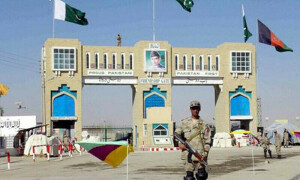
Sources from the Pakistani delegation revealed that the discussion primarily revolved around the construction of a disputed border post near Zero Point on the Afghan side. Pakistan warned against any unilateral changes to the existing structure and emphasized that any such move would be met with a strong response.
“We conveyed Pakistan’s firm stance on halting hostilities and ensuring compliance with existing border protocols,” a delegation member said.
While the Afghan side insisted on reopening the border unconditionally, Pakistan linked it to a temporary six-month ceasefire to allow both governments to address security concerns while keeping cross-border trade and movement operational.
Durand Line Dispute Resurfaces
The Durand Line issue was also indirectly raised during the discussions, with Afghan representatives demanding the border be reopened without preconditions. In response, Pakistani officials stressed that no progress could be made unless the controversial Afghan check post construction was halted.
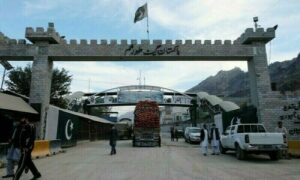
Tensions escalated when the Afghan delegation, mostly composed of members from the Afghan Chamber of Commerce and Industries, compared Pakistan’s stance on their post to the construction of a new Customs Terminal on the Pakistani side, located over a kilometer from Zero Point.
However, Pakistan reiterated that it had never opposed renovations or infrastructure improvements on the Afghan side, citing its silence over the rebuilding of a high-altitude security check post at Shamshad Sar—a mountain overlooking Torkham.
Afghanistan Requests Recess for Final Approval
Despite some heated exchanges, the meeting ended on a hopeful note, with Afghan officials requesting time to consult their leadership on halting construction of the disputed check post and agreeing to a temporary ceasefire until mid-June.
The proposed two-and-a-half-month ceasefire would ensure the border remains open for legitimate cross-border trade and movement, while both sides work toward a long-term resolution.
Jirga Dynamics and Internal Discontent
The Pakistani delegation reportedly faced internal disagreements over frequent last-minute changes in its composition. Members of the Khyber Chamber of Commerce allegedly lobbied to include their preferred nominees, leading to concerns from security officials over the inexperience of some participants.
Traditional tribal customs discourage oversized jirgas, as larger groups are harder to manage. Some delegates criticized the Khyber Chamber’s attempts to dominate proceedings, mirroring the Afghan side’s business-heavy representation.
As both sides await further deliberations, the next phase of talks will be crucial in determining the fate of the border reopening and regional stability.