
Monitoring Desk
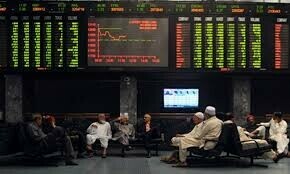
ISLAMABAD: The Pakistan Stock Exchange (PSX) witnessed another steep decline on Wednesday, with the benchmark KSE-100 index shedding over 2,600 points amid deepening concerns over a full-blown trade war between the United States and China.
The index nosedived by 2,640.95 points, or 2.29%, to reach 112,891.48 by 10:49am, retreating sharply from Tuesday’s close of 115,532.43. The sharp fall comes just a day after the market posted a mild recovery from Monday’s historic plunge.
Market sentiment turned sharply negative as the United States pushed ahead with raising tariffs on Chinese imports to 104%, stoking fears of a global recession. Beijing, in response, reiterated its resolve to “fight to the end,” signaling a prolonged confrontation between the two largest economies.
Awais Ashraf, Research Director at AKD Securities, attributed the decline to heightened global uncertainty. “The hike in US tariffs on China has heightened recession risks due to a slowdown in global growth, dampening investor sentiment at the PSX,” he said. However, he added that lower commodity prices, particularly crude oil, and a potential competitive edge for Pakistan due to shifting trade dynamics could support the country’s external account in the longer run.
Ali Najib, Head of Sales at Insight Securities, emphasized that market volatility may continue in the coming days. “We’ll have to observe the market’s behaviour post-April 9, once the new global tariffs come into play,” he noted, adding that export-driven stocks may weaken while safe-haven assets like gold could become more attractive.
Wednesday’s fall follows Monday’s dramatic session when the KSE-100 saw a record intra-day decline of 8,687.68 points — the largest in points terms — before recovering some ground after a mid-session trading halt triggered late value-buying. The index eventually ended that day with a loss of 3,882 points, reflecting rising fears of global economic fallout and retaliatory trade measures by China and other major trading partners.
With investors growing increasingly risk-averse amid escalating trade tensions, market watchers caution that volatility may persist unless clear signs of de-escalation emerge on the global front.