The Minister of Hajj and Umrah Dr. Tawfiq Al-Rabiah has called on all Islamic countries to finalize their Hajj 1447 service agreements by Rajab 15, stressing that early preparation and digital compliance are essential for ensuring a smooth and efficient Hajj season.
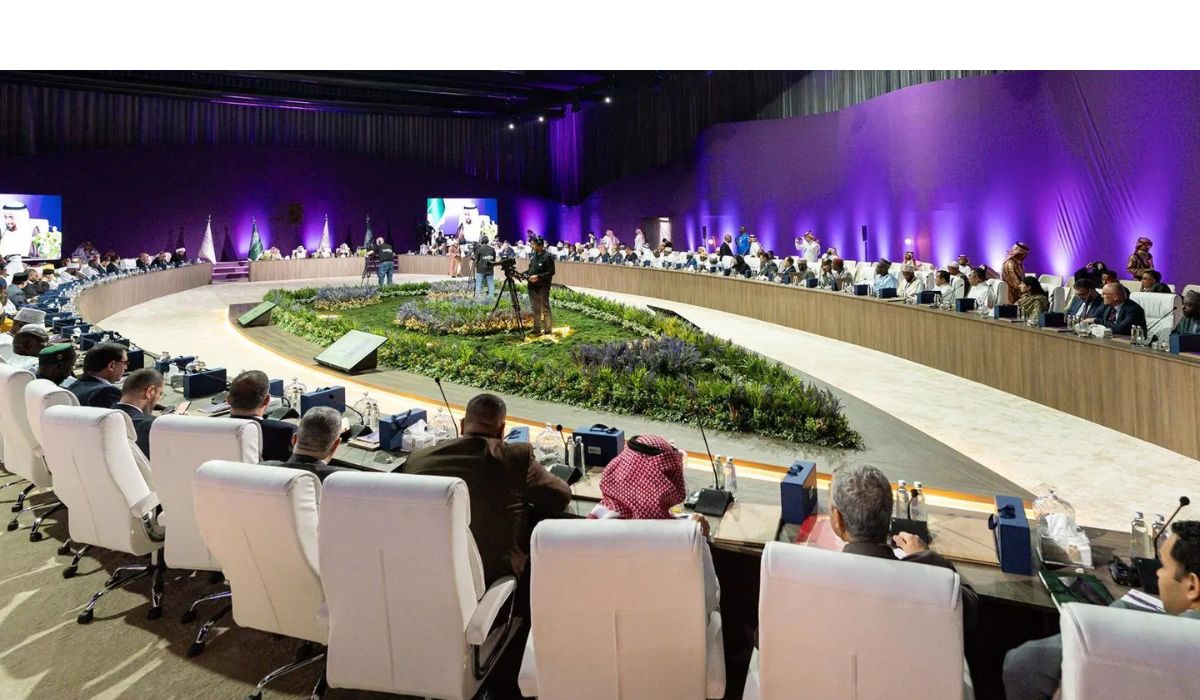
Speaking during a semiannual meeting held alongside the fifth Hajj Conference and Exhibition 2025, Al-Rabiah met with over 100 officials, including ministers, grand muftis, and heads of Hajj offices. The meeting reviewed preparations for the upcoming pilgrimage and discussed new operational and regulatory procedures designed to elevate service quality for pilgrims.
The minister praised the efforts of Hajj offices that have already completed their contracting processes and urged the remaining offices to meet the set deadlines to guarantee early readiness. He emphasized that timely coordination will help deliver better services and support the Kingdom’s strategic goal of enhancing the Hajj experience under Saudi Vision 2030.
During the meeting, Al-Rabiah outlined several important guidelines and deadlines for Hajj 1447, including:
-
Completion of camp service contracts by Rajab 15 and accommodation contracts in Makkah and Madinah by Shaban 13.
-
Submission of Hajj visa applications before Shawwal 1, with no extensions beyond that date.
-
Launch of public awareness campaigns to combat misinformation and prevent unauthorized pilgrimages.
-
Introduction of a mandatory “health capability certificate” for visa issuance, verified through the Masar electronic platform.
-
Processing of all sacrificial animal payments through the official Hady and Adahi Project only.
-
Mandatory use of the Nusuk card for entry into the Grand Mosque and holy sites.
-
Uploading of administrative, medical, and media personnel data starting Jumada Al-Awwal 19 and completing by Rajab 1.
-
Finalization of airline and flight slot reservations by Rajab 15.
Al-Rabiah stressed that all administrative and financial procedures must be conducted through the Nusuk Masar platform, ensuring transparency, efficiency, and improved coordination between Saudi authorities and international Hajj offices.
Concluding the session, the minister reaffirmed the Kingdom’s commitment to advancing the digital transformation of Hajj services and ensuring that every pilgrim benefits from seamless, secure, and high-quality arrangements.
He noted that these steps reflect Saudi Arabia’s leading role in organizing and managing the Hajj pilgrimage and its ongoing efforts to strengthen partnerships with Islamic countries for the betterment of pilgrims worldwide.