The Economic Coordination Committee (ECC) has approved a major policy shift that will allow fertilizer plants to use locally produced gas from the Mari Field instead of costly imported RLNG.
The decision, based on a detailed proposal from the Petroleum Division, aims to cut production costs, reduce subsidies, and ensure a steady supply of affordable fertilizer for farmers.
The plan, prepared after months of consultation among ministries and industry stakeholders, focuses on using new gas reserves discovered in the Ghazij and Shawal formations of the Mari Field, operated by Mari Energies Limited. These reservoirs, located in Ghotki, Sindh, will provide a sustainable source of indigenous gas for fertilizer production.
For several years, the government had been supplying re-gasified LNG to fertilizer plants at subsidized rates to keep urea prices stable. Between fiscal years 2022 and 2024, this subsidy cost the government more than Rs 70 billion. With the ECC’s new approval, plants like Fatimafert Limited, Agritech Limited, and Fauji Fertilizer Company’s Port Qasim unit will gradually switch to indigenous Mari gas, phasing out the need for subsidies on imported fuel.
The Petroleum Division informed the ECC that the switch will help stabilize fertilizer prices, save foreign exchange, and strengthen energy security. Initially, Mari Energies will provide 48 million cubic feet per day (mmcfd) of gas from the Ghazij/Shawal reservoir to Fatimafert and Agritech, with production expected to increase over the next two years as new wells come online.
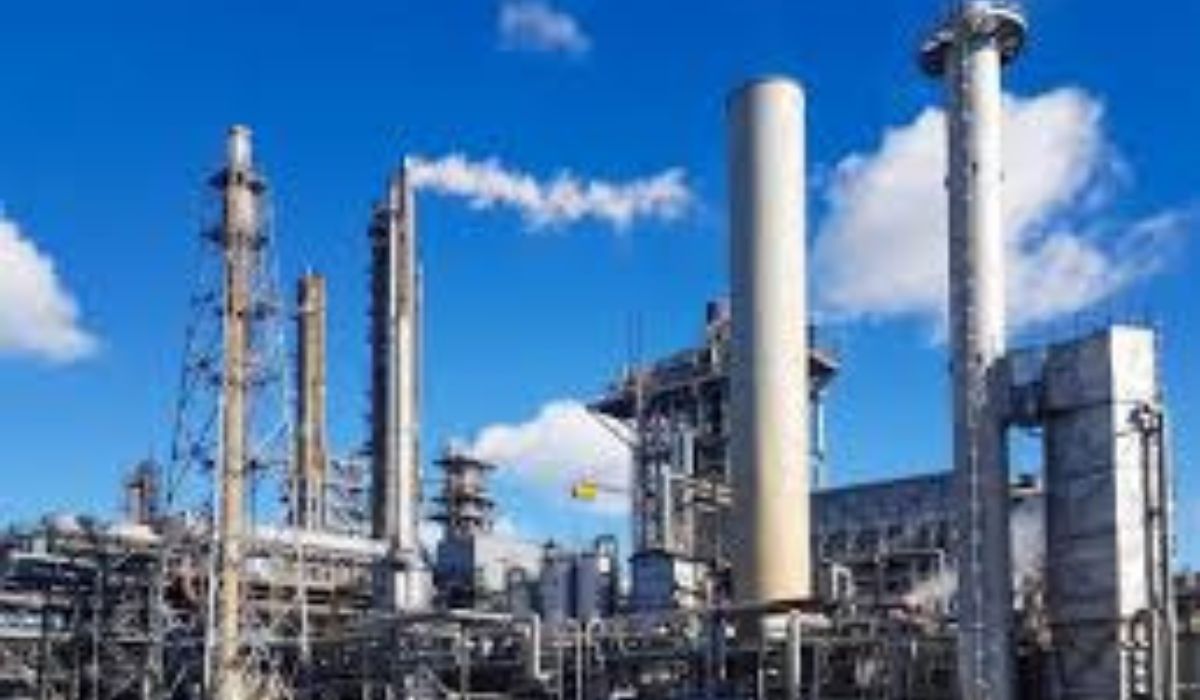
To utilize the gas, fertilizer producers will build their own processing and compression facilities at the Mari Field, investing more than 200 million dollars in infrastructure. The processed gas will be transported to plant sites through existing Sui company pipelines under the Third-Party Access rules.
The ECC also approved the reallocation of 110 mmcfd of gas from the power sector’s GENCO-II, whose units have largely completed their service life, to Engro Fertilizer’s base plant at Mari. The Power Division confirmed that GENCO-II’s 747 MW Guddu plant can continue running on gas from Kandhkot field, making the HRL gas available for fertilizer use instead.
Under the new framework, no subsidized RLNG will be supplied to fertilizer plants beyond October 30, 2025, except in special cases for network stability. The Petroleum Division said the new arrangement would promote fair gas pricing and prevent losses in the form of negative gas development surcharges.
The proposal was reviewed by the Deputy Prime Minister, who heads the committee on fertilizer price stability, and received broad support from key ministries, including Industries, Food Security, Power, Climate Change, Planning, and Privatization. The ECC’s approval now allows the Petroleum Division to finalize gas sale and transportation agreements between Mari Energies, fertilizer producers, and the Sui companies.
Officials described the ECC’s decision as a turning point for Pakistan’s fertilizer industry, saying it would strengthen the supply chain, cut the government’s fiscal burden, and protect farmers from sudden price hikes by ensuring stable, affordable, locally produced fertilizer.