
Pakistan’s hydropower generation registered a notable increase as output crossed the 6,100 MW level during peak hours, supported by improved water availability and enhanced reservoir releases across key river systems.
The generation increase was recorded after regulated water releases by the Indus River System Authority (IRSA), which enabled major hydropower stations to operate at higher capacity and contribute more low-cost electricity to the national grid.

The surge in hydel output comes at a time when the power sector is under continued strain due to high electricity tariffs, fuel cost adjustments, and capacity payments that continue to influence end-user electricity bills.
According to system data, Water and Power Development Authority hydel stations collectively delivered 6,118 MW to the national grid during peak demand hours, reflecting improved hydrological conditions and better system dispatch.
The improved inflows and reservoir management were facilitated by the Indus River System Authority, which manages water distribution for irrigation and power generation across the country.
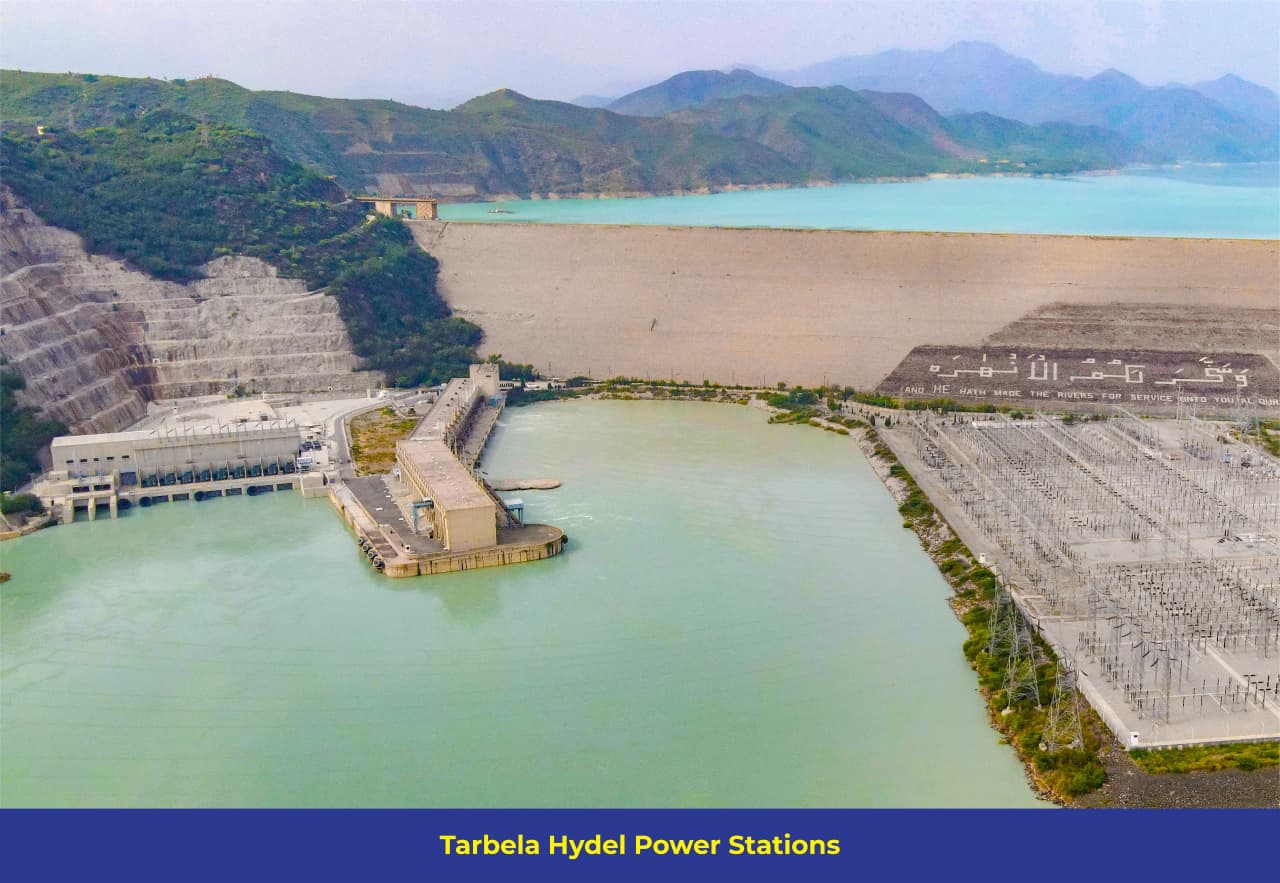
Key contributions came from major hydropower stations, with Tarbela contributing 2,332 MW, followed by Tarbela 4th Extension at 1,095 MW, Ghazi Barotha at 1,160 MW, Mangla at 930 MW, Warsak at 135 MW, and Chashma at 101 MW.
An additional 365 MW was supplied by smaller and medium hydel plants, collectively enhancing the share of renewable energy in Pakistan’s electricity mix.
Energy analysts say hydropower continues to remain the cheapest source of electricity in Pakistan, reducing reliance on imported fuels and helping stabilize generation costs in periods of global energy volatility.
However, they caution that structural challenges—including transmission losses, rising demand, and dependence on expensive thermal fuels—continue to keep pressure on the overall tariff structure.
Despite these challenges, the latest hydel increase is expected to ease short-term pressure on the national grid by reducing fuel-based generation requirements and improving overall system efficiency during peak hours.